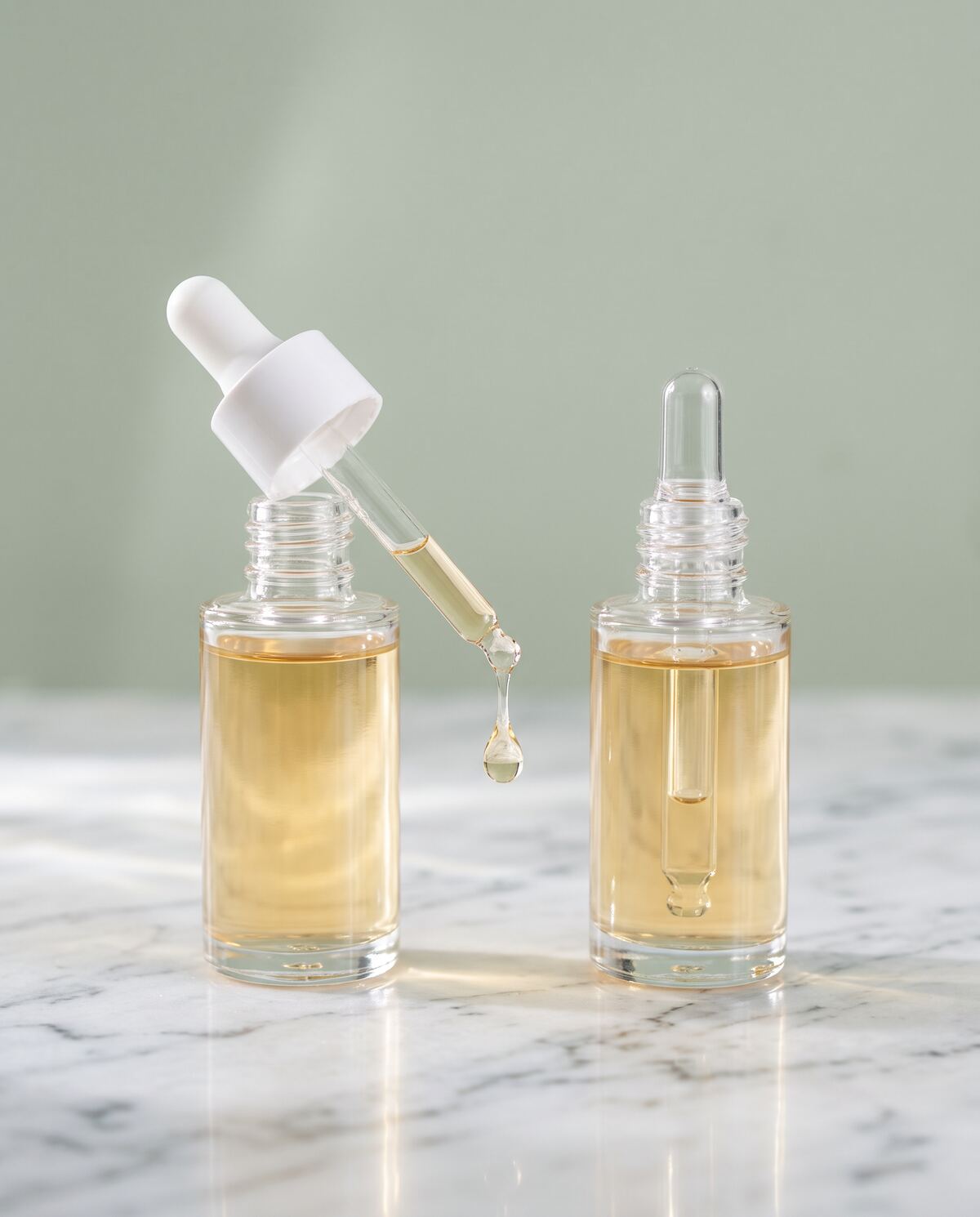
Cosmeceutical skincare sits between two regulatory worlds. The word “cosmeceutical” is widely used in the industry, but it has no meaning under US law. A product is regulated as a cosmetic, a drug, or both.
Intended use decides
Under the Federal Food, Drug, and Cosmetic Act, whether a product is a cosmetic or a drug depends on its intended use.
- A cosmetic is intended to cleanse, beautify, promote attractiveness or alter the appearance.
- A drug is intended to diagnose, cure, mitigate, treat or prevent disease, or to affect the structure or any function of the body.
Some products are both. FDA gives the example of an antidandruff shampoo: cleansing the hair is a cosmetic use, and treating dandruff is a drug use. Moisturizers and makeup sold with sun protection claims are another common example. These products must meet the requirements for both categories.
Claims set the intended use
FDA explains that intended use can be established in several ways, including claims on the label, in advertising, on websites and in other promotional material. Consumer perception and certain ingredients can also play a part.
This means a strong formula can move into the drug category because of one sentence on its packaging or its website. Words like “treats”, “heals”, “repairs cells” or “stimulates collagen production” describe effects on the body, not on appearance.
Why this matters for export
Classification does not travel automatically. Each market has its own categories and its own boundaries between them:
- US certificates depend on it. FDA issues cosmetic export certificates only for products whose intended use is solely cosmetic. A product with drug claims will not qualify.
- Other markets draw the line differently. Some countries have a middle category, such as medicated cosmetics or quasi-drugs, with their own registration route.
- Registration time and cost change. A product registered as a cosmetic is usually faster and cheaper to bring to market than one registered as a drug or medicated product.
- The website counts. Many regulators look at all marketing, not just the label. A claim on a brand’s website can affect how its product is classified abroad.
A practical approach
- Review every claim on the label, the carton, the website and the sales sheet, for each target market.
- Decide the category on purpose. Sometimes a brand chooses to soften claims to keep a product cosmetic. Sometimes the drug or medicated route is worth it. Either way, it should be a decision, not an accident.
- Align all materials. The registration file, the label and the distributor’s marketing must make the same claims.
How we help
Before we offer a skincare product to a distributor, our regulatory affairs team reviews its claims against the destination’s categories. If a claim would change the classification, we flag it early and explain the options.
This article is general information, not legal advice. Rules change. We confirm current requirements with the relevant authority before each registration.